
Puppy biting is one of the most confronting experiences for new dog guardians. Tiny teeth hurt, sleeves (and skin) get shredded, and calm moments can disappear quickly when a puppy latches on with enthusiasm. Many people worry that they are doing something wrong or that their puppy is developing a serious behaviour issue. In reality, puppy biting is communication, and understanding that distinction changes everything about how you respond.
When guardians view biting as defiance or bad manners, frustration escalates. When they recognise biting as information about a puppy’s internal state, progress becomes far more achievable.
Why puppies use their mouths so much
Puppies explore the world with their mouths in the same way human babies use their hands. Mouthing allows them to investigate textures, apply pressure, and learn about their environment.
Puppies bite because:
- Their mouths are highly sensitive and exploratory
- They lack impulse control
- They have limited ways to communicate discomfort or excitement
- Their nervous systems are still developing
This means biting often reflects what a puppy is experiencing, not what they intend to do.
Recognising that puppy biting is communication helps guardians respond thoughtfully instead of reactively.
Development plays a major role in biting
Puppies go through rapid developmental changes in their first months. Brain development, teething, growth spurts, and sleep patterns all influence behaviour.
Biting commonly increases when puppies:
- Feel overtired
- Experience teething discomfort
- Become overstimulated
- Struggle to regulate excitement
During these times, puppies lack the skills to pause, redirect themselves, or disengage calmly. Their mouths do the talking for them.
This is why biting often appears suddenly or intensifies even when guardians feel they have been consistent. The puppy has not regressed. Their needs have shifted.
Overstimulation drives many biting episodes
One of the most common triggers for biting is overstimulation. Puppies have limited capacity to process excitement, movement, noise, and interaction.
Signs a puppy is becoming overstimulated include:
- Faster, more frantic movement
- Reduced responsiveness to cues
- Harder or more frequent biting
- Difficulty settling
When overstimulation builds, biting becomes the puppy’s way of releasing that excess energy. Punishing or correcting the bite does not address the underlying overload.
Supporting regulation does.
Why biting often happens during play
Play is one of the most common contexts for puppy biting. Toys move quickly, hands get involved, and excitement escalates.
Puppies bite during play because:
- Play naturally increases arousal
- Puppies lack refined bite inhibition
- They have not yet learned how much pressure is appropriate
Many puppies need help learning when play should pause and how to shift from high energy to calm.
Clear play scnarios, regular breaks, and predictable endings all help puppies practice these skills safely.
Human reactions can unintentionally increase biting
Guardians often respond to biting by:
- Pulling their hands away quickly
- Raising their voice
- Pushing the puppy away
- Becoming tense or frustrated
From the puppy’s perspective, these reactions often look like more play. Movement, noise, and attention can reinforce biting unintentionally.
This does not mean guardians cause the problem. It means puppies respond to the information they receive.
Once guardians understand this, they can adjust their responses to reduce reinforcement and support calmer behaviour.
Why punishment does not stop puppy biting
Punishment may suppress biting temporarily, but it rarely teaches puppies what to do instead. In many cases, it creates new problems.
Punishment can:
- Increase fear or uncertainty
- Damage trust
- Suppress communication
- Lead to escalated responses later
Puppies still experience the same emotions and needs. They simply stop expressing them safely.
Force-free approaches focus on teaching skills, not suppressing signals.
Teaching puppies what to bite instead
Redirecting biting to appropriate items works best when guardians stay proactive.
Helpful strategies include:
- Keeping suitable chew toys within reach
- Offering toys before biting starts
- Rotating toys to maintain novelty
- Using food-based enrichment to meet oral needs (e.g. long lasting chews and KONGs)
Chewing relieves teething discomfort and provides an outlet for exploration. When puppies have appropriate options, biting people becomes less necessary.
Rest matters more than people expect
Many biting problems improve dramatically when puppies get more rest.
Puppies require far more sleep than most people realise. Overtired puppies struggle to regulate themselves and bite more frequently.
Signs a puppy needs rest include:
- Increased biting
- Difficulty settling
- Hyperactive behaviour
- Reduced responsiveness
Frequent rest periods and calm spaces support regulation and reduce biting significantly.
Teaching disengagement and calm transitions
Puppies need practice moving from excitement to calm. This skill does not develop automatically.
Guardians can support this by:
- Ending play before it escalates (around 3 minutes)
- Pausing interactions regularly to let the puppy’s arousal levels go back down
- Reinforcing calm behaviour
- Practicing short, gentle handling sessions
These experiences teach puppies that calm behaviour works and that excitement does not need to escalate into biting.
Social learning influences biting
Puppies often learn bite inhibition through interaction with their humans and other dogs. Calm play with humans and well-matched play with another suitable dog allows puppies to practise using their mouths and receive feedback naturally.
Good puppy classes support:
- Controlled social exposure
- Observation without pressure
- Breaks to prevent escalation
Forced interaction or chaotic play environments can increase biting rather than reduce it.
Why consistency matters but perfection does not
Guardians often worry they are being inconsistent when biting continues. In reality, learning takes time.
Progress usually looks like:
- Fewer intense biting episodes
- Shorter biting periods
- Improved recovery after excitement
Expecting biting to disappear overnight sets unrealistic expectations and increases frustration.
Understanding that puppy biting is communication helps guardians stay patient during this process.
When to seek additional support
Most puppy biting resolves with development, rest, and skill building. However, additional support can help if:
- Biting escalates rather than improves
- The puppy struggles to settle at all
- Guardians feel overwhelmed or unsafe
Early guidance prevents frustration from becoming entrenched and supports both puppy and guardian wellbeing.
If you need support then book an In-Home Consultation https://littleangelsdogtraining.au/services/ or find someone close to you at the Pet Professional Guild Australia https://www.ppgaustralia.net.au/Owners/Find
A kinder way to view puppy biting
Biting does not mean a puppy is aggressive or badly behaved. It means the puppy is communicating a need, emotion, or skill gap.
When guardians respond with curiosity rather than correction, puppies learn faster and relationships strengthen.
That perspective shift sits at the heart of understanding that puppy biting is communication.
Top Tips
If puppy biting has left you feeling tired, sore, or discouraged, you are not alone. Almost every puppy guardian experiences this stage.
You have not failed your puppy.
Your puppy is not broken.
With time, guidance, and support, biting gives way to better communication and calmer interactions.
The goal is not silence or suppression.
The goal is understanding, safety, and trust.
Game On! Let’s Play!
Hxx
*Created with the assistance of AI
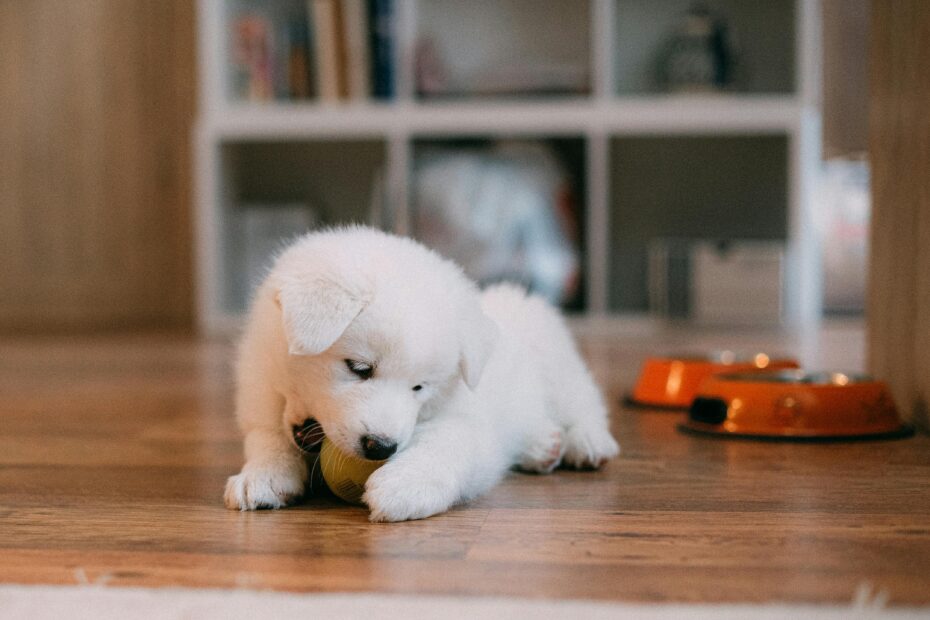
Photo by Tanya Gorelova: https://www.pexels.com/photo/a-puppy-biting-a-ball-3860309/